Analysis of DarkMatter Darknet
Comprehensive operational history and feature review.
Executive Summary
DarkMatter Darknet operates as a decentralized cryptographic commerce platform hosted exclusively within the Tor anonymity network. Observers initially identified the platform's routing infrastructure in early 2023, marking its entry into the broader ecosystem of privacy-centric digital exchanges.
The platform's primary structural objective is the facilitation of secure, untraceable transactions for digital goods and services. Unlike older legacy systems, DarkMatter Darknet was engineered with a strict adherence to modern operational security standards, mandating comprehensive encryption practices for all active participants.
Technical Architecture
Architectural analysis reveals a high-availability server cluster utilizing advanced load balancing to mitigate network stress and targeted downtime events. The platform relies heavily on autonomous cryptographic sub-systems rather than manual oversight.
Cryptographic Escrow
A rigid 2-of-3 multisignature implementation ensures that funds remain locked until concensus is reached between the participating entities, removing the platform as a single point of failure.
Monero (XMR) Integration
Strictly limiting transactions to the Monero blockchain guarantees untraceability through ring signatures and stealth addresses, bypassing the forensic vulnerabilities of legacy ledgers.
Walletless Processing
To eliminate centralized honeypots, the architecture employs a direct-payment model where clients transmit exact amounts per order directly from personal offline storage.
Mandatory PGP
All communication, physical routing data, and operational disputes are encrypted utilizing standardized RSA-4096 PGP keys. Cleartext transmission is rejected at the protocol level.
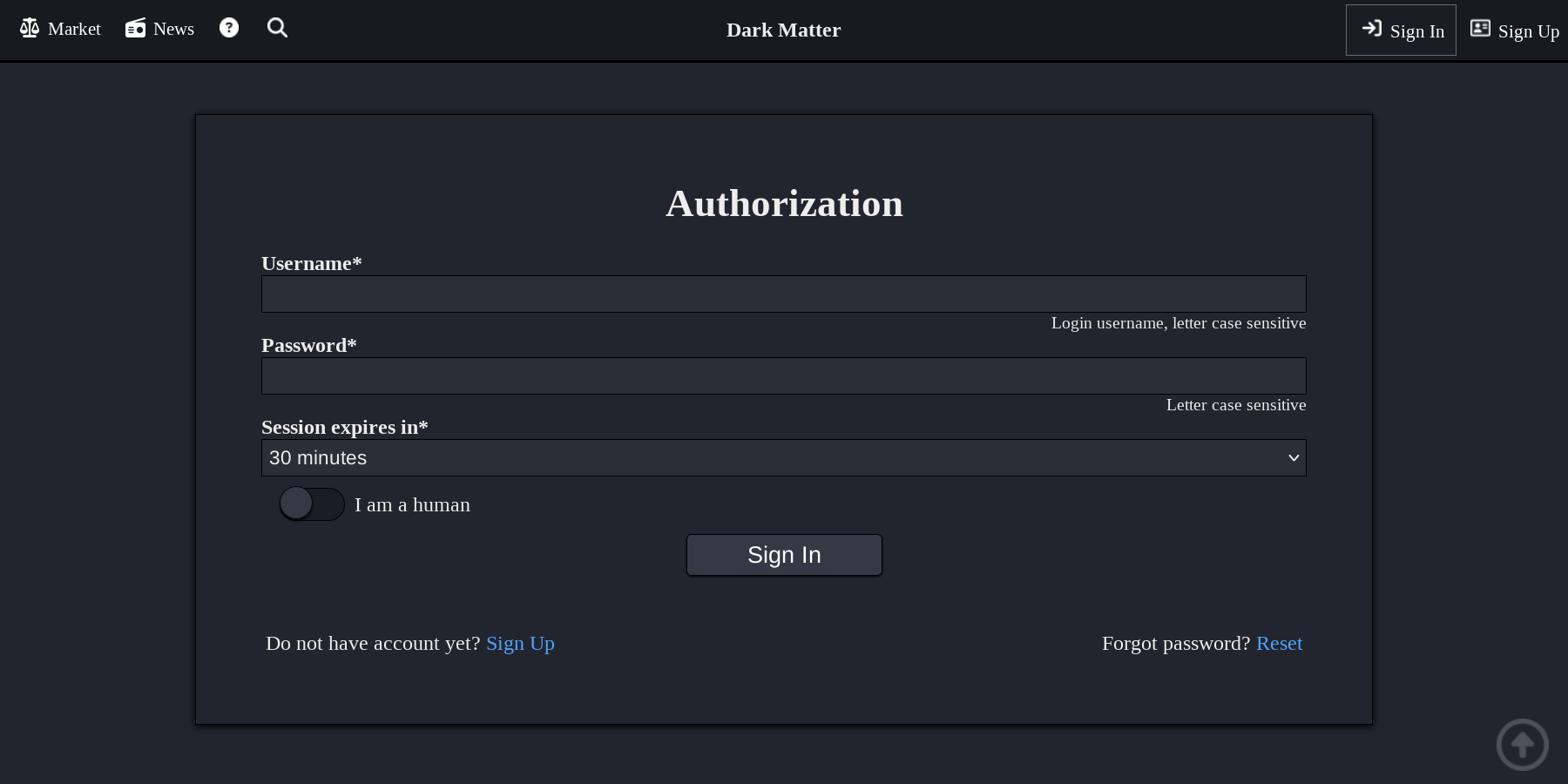
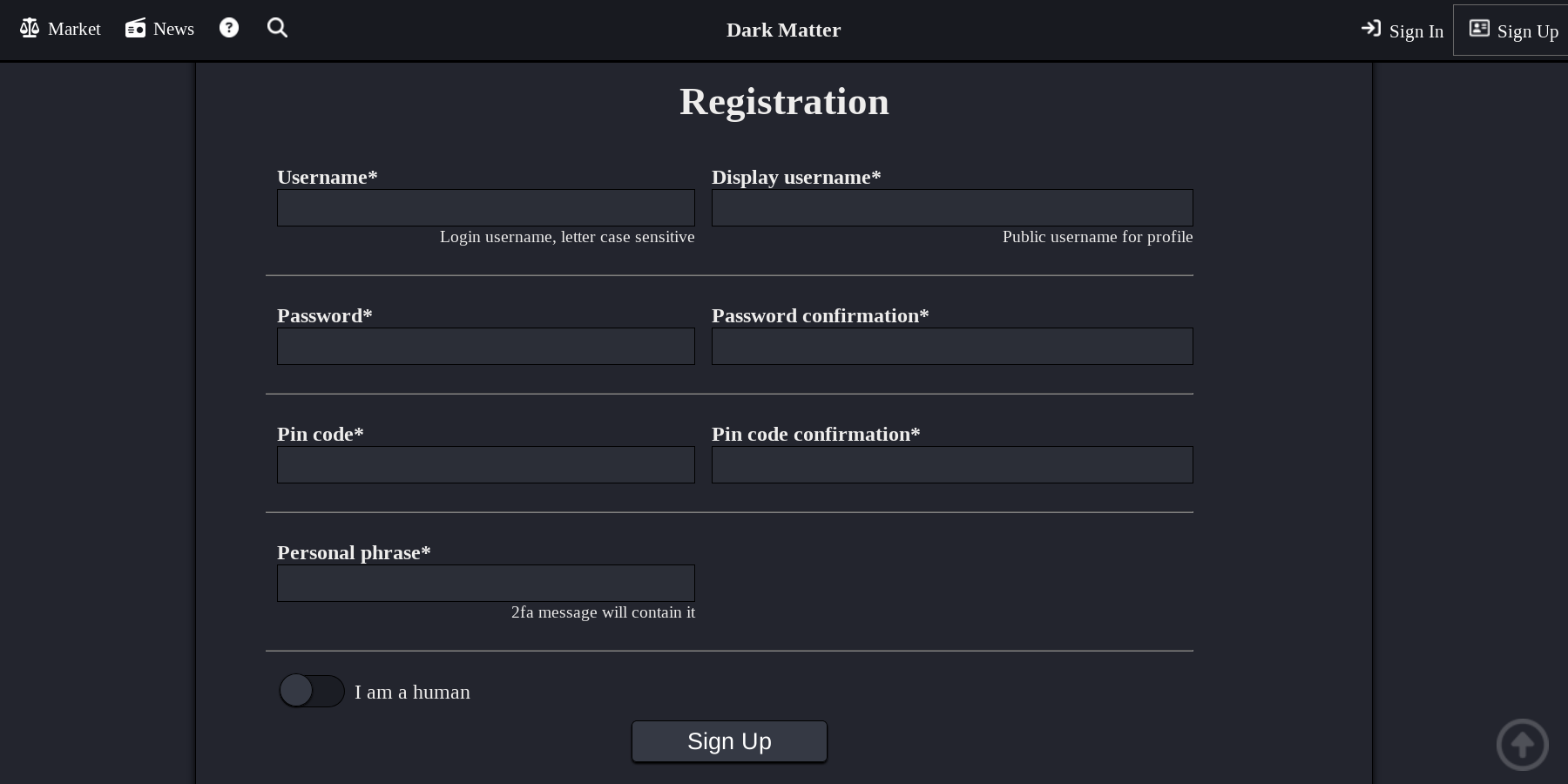
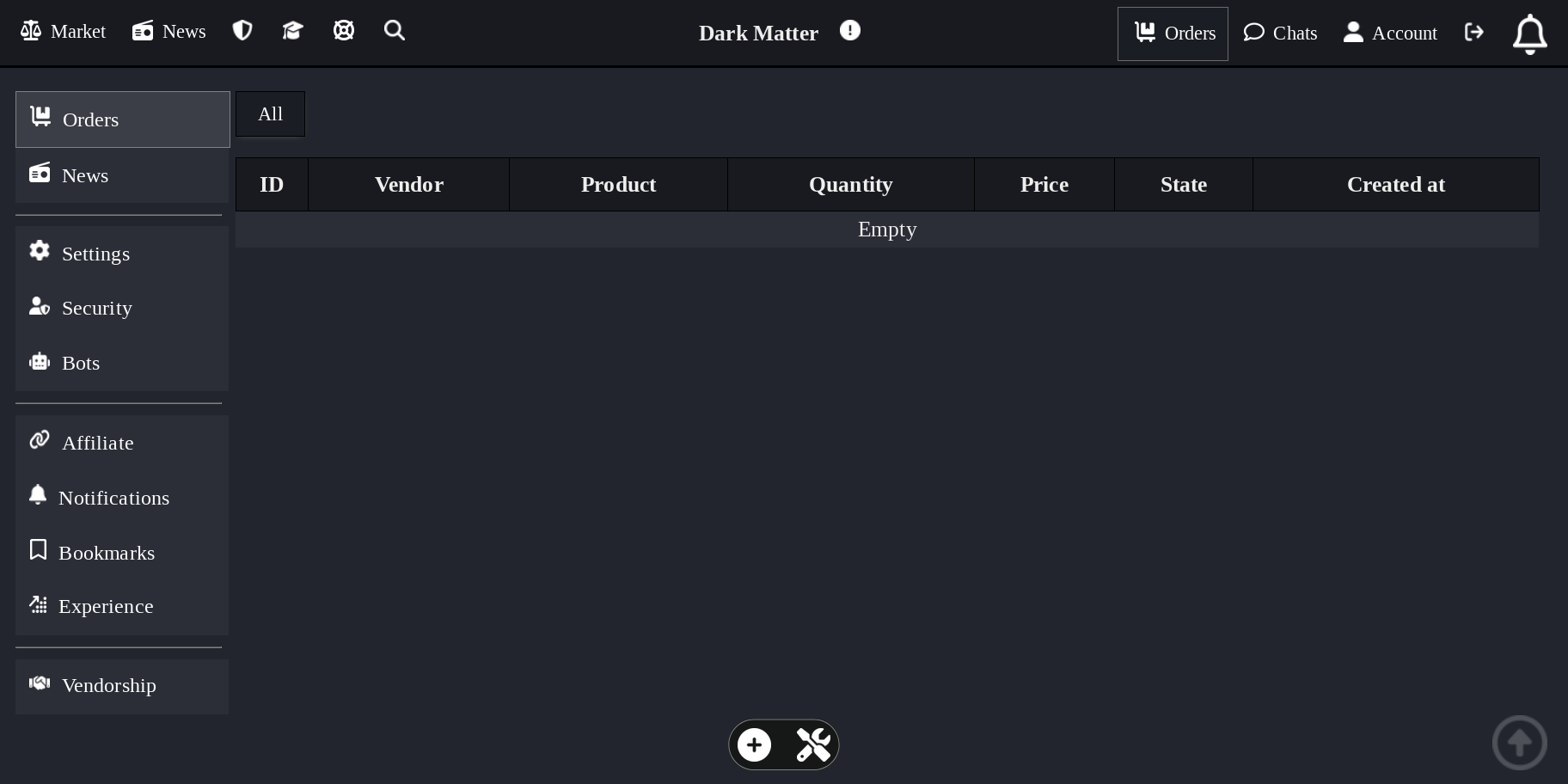
Interface Analysis Archive
Visual documentation of the hidden service's frontend routing architecture. These archival captures illustrate the custom UI/UX frameworks designed to prioritize data obfuscation and operational efficiency over elaborate design.

Historical Timeline
Genesis Block
Initial hidden service configuration deployed across isolated Tor nodes.
Cryptography Upgrade
Integration of strict Monero-only processing, eliminating Bitcoin support.
Mirror Expansion
Implementation of localized rotating mirror links to bypass targeted network interference.
Continuous Monitoring
Ongoing performance evaluation and archival tracking of active endpoints.
Platform Statistics
Verified analytical estimates based on aggregated blockchain data and public PGP key indexing networks.
Merchant Protocol
Entities seeking to distribute digital goods via the architecture are required to deposit a cryptographic bond. This financial requirement operates as an objective deterrent against low-effort abuse, enforcing a baseline of reliability among providers.